Endocrinology

Endocrine Disorders & Diseases
What We Treat
At our clinic, we specialize in diagnosing and treating a wide range of endocrine disorders. Our experienced team, including our full-time on-site nuclear medicine technologist, is trained to provide comprehensive endocrine care tailored to each individual. Here are some of the hormone disorders we commonly address:
Diabetes
- Type 1 diabetes
- Type 2 diabetes
Thyroid disorders
- Hyperthyroidism
- Hypothyroidism
- Thyroid cancer
- Thyroid nodules
Pituitary disorders
- Acromegaly
- Cushing’s disease
- Hyperprolactinemia (prolactin elevation)
- Pituitary adenomas (non-cancerous pituitary tumors)
Adrenal disorders
- Adrenal adenomas (non-cancerous adrenal tumors)
- Adrenal cancer
- Congenital adrenal hyperplasia (CAH)
- Conn’s Syndrome
- Cushing’s syndrome
- Hyperaldosteronism
- Pheochromocytoma
Bone disorders
- Osteoporosis
- Osteopenia
- Osteomalacia
- Paget’s disease
- Severe vitamin D deficiency
Parathyroid disorders
- Hypercalcemia
- Parathyroid cancer
- Primary hyperthyroidism
Cholesterol disorders
- Hyperlipidemia
- Hypolipidemia


What Is Endocrinology?
Specialized Care for Endocrine Disorders and Diseases
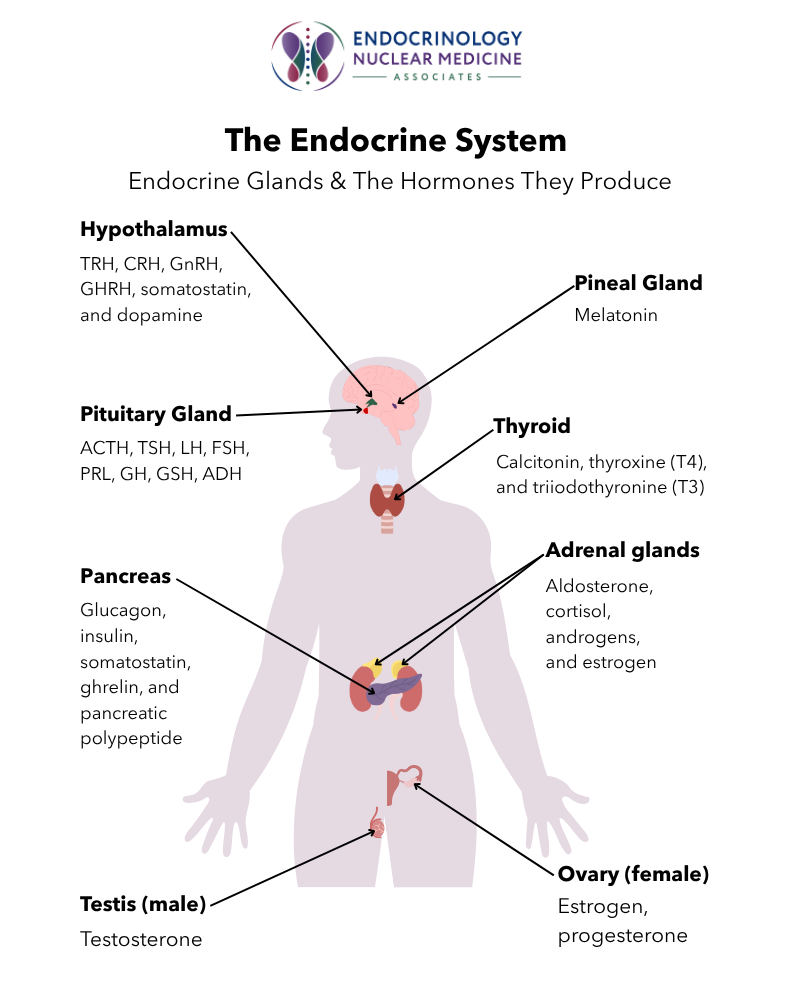
Endocrinology is a specialized branch of medicine that focuses on the study of the endocrine system, which includes important glands such as the thyroid, pituitary, pancreas, hypothalamus, pineal, testis, ovaries, and adrenal glands. Each of these glands plays a central role in producing and regulating the hormones in our bodies. Hormones are the chemical messengers in our body that regulate many important bodily functions, including metabolism, growth, internal temperature, tissue health, and even our moods.
If you’ve been diagnosed with a hormone-related disorder, you likely need an endocrinologist. This type of healthcare professional has specialized training in understanding and treating hormonal imbalances, which become increasingly more prevalent as we age. Conditions like diabetes, hypothyroidism, and osteoporosis are particularly common in older adults and require expert care.
Gaining a better understanding of your body’s hormonal cycle can significantly enhance your overall well-being and help determine when something feels off. If you’re experiencing symptoms that may suggest a hormonal imbalance, consulting with an endocrinologist can be an important first step in finding the source of your health concerns and getting personalized, targeted treatment.
Ready to schedule a visit?
Call us at (210) 233-5483 or request an appointment online.